
Frontline Workers
Help Video
How to Find UBT Basics on the LMP Website
LMP Website Overview
How to Find How-To Guides
This short animated video explains how to find and use our powerful how-to guides
How to Find and Use Team-Tested Practices
Does your team want to improve service? Or clinical quality? If you don't know where to start, check out the team-tested practices on the LMP website. This short video shows you how.
How to Use the Search Function on the LMP Website
Having trouble using the search function? Check out this short video to help you search like a pro!
How to Find the Tools on the LMP Website
Need to find a checklist, template or puzzle? Don't know where to start? Check out this short video to find the tools you need on the LMP website with just a few clicks.
Health and Safety Champions
What are health and safety champions?
The 2015 National Agreement calls for every UBT to have a health and safety champion, helping create a safe, healthy and vibrant workplace. Are you a champion?
UBT health and safety champions will:
- Help their teams improve health and safety
- Be role models for their colleagues and KP’s members
- Have fun and make a difference!
How-To Guide: Do a Waste Walk
Taking a waste walk with your team is a good way to get started on performance improvement.
The first step is to educate your team about the different kinds of waste, using the "8 Types of Waste" tool.
Then follow the step-by-step instructions to complete a walk. Finish by targeting elements of your workflow or workspace that can be streamlined.
AIDET by the Letters
Deck: Spelling out patient service
Deck:
Spelling out patient service
Story body part 1:
It's a simple set of five letters, but it can pay big dividends when you're interacting with patients.
Let's spell it out and communicate our best.
Acknowledge—The first letter of the AIDET acronym reminds each staff member or care provider along the patient’s path to acknowledge his or her presence. Making eye contact with a patient or giving the member a smile is all that’s needed.
Introduce—When you identify yourself by name, you change the patient’s visit from an anonymous interaction into a personalized experience.
Duration—A little information goes a long way. Letting patients know how long a visit is expected to take lets them know their time is valued. If a doctor is running late or the lab is behind, letting patients know about the delay and keeping them updated shows respect.
Explanation—Whose body is it? No one likes it when a caregiver starts doing something without telling a patient what they’re doing and why.
Thank you—The last step wraps up the visit by thanking the patient for coming in or for providing the information needed to provide them with excellent care.
TOOLS
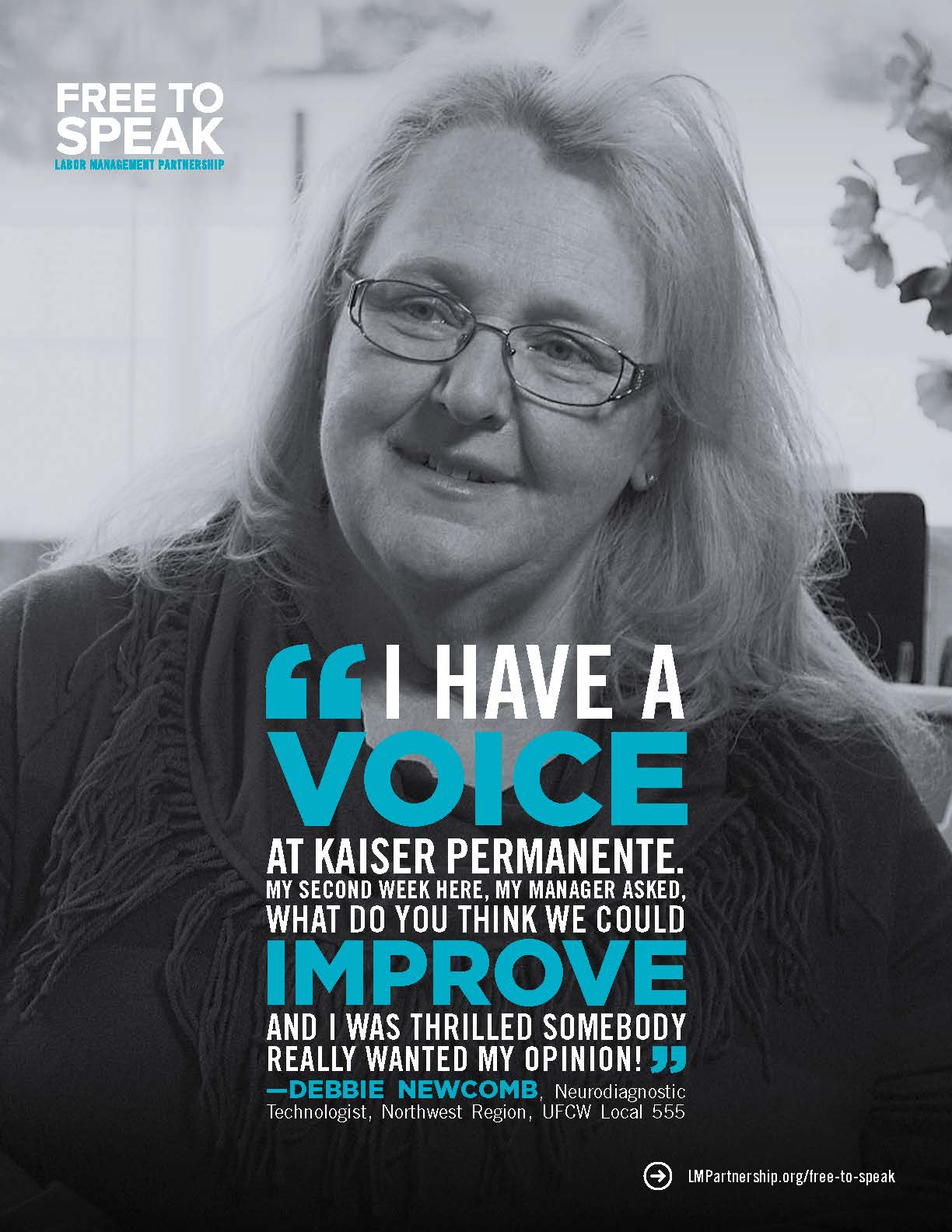
Free to Speak: A Union Worker Shows the Way
Format:
PDF
Size:
8.5" x 11"
Intended audience:
Frontline workers, unit-based teams
Best used:
Post these inspiring words from a union worker on our #FreeToSpeak culture on your team's bulletin board or in a break room.
TOOLS
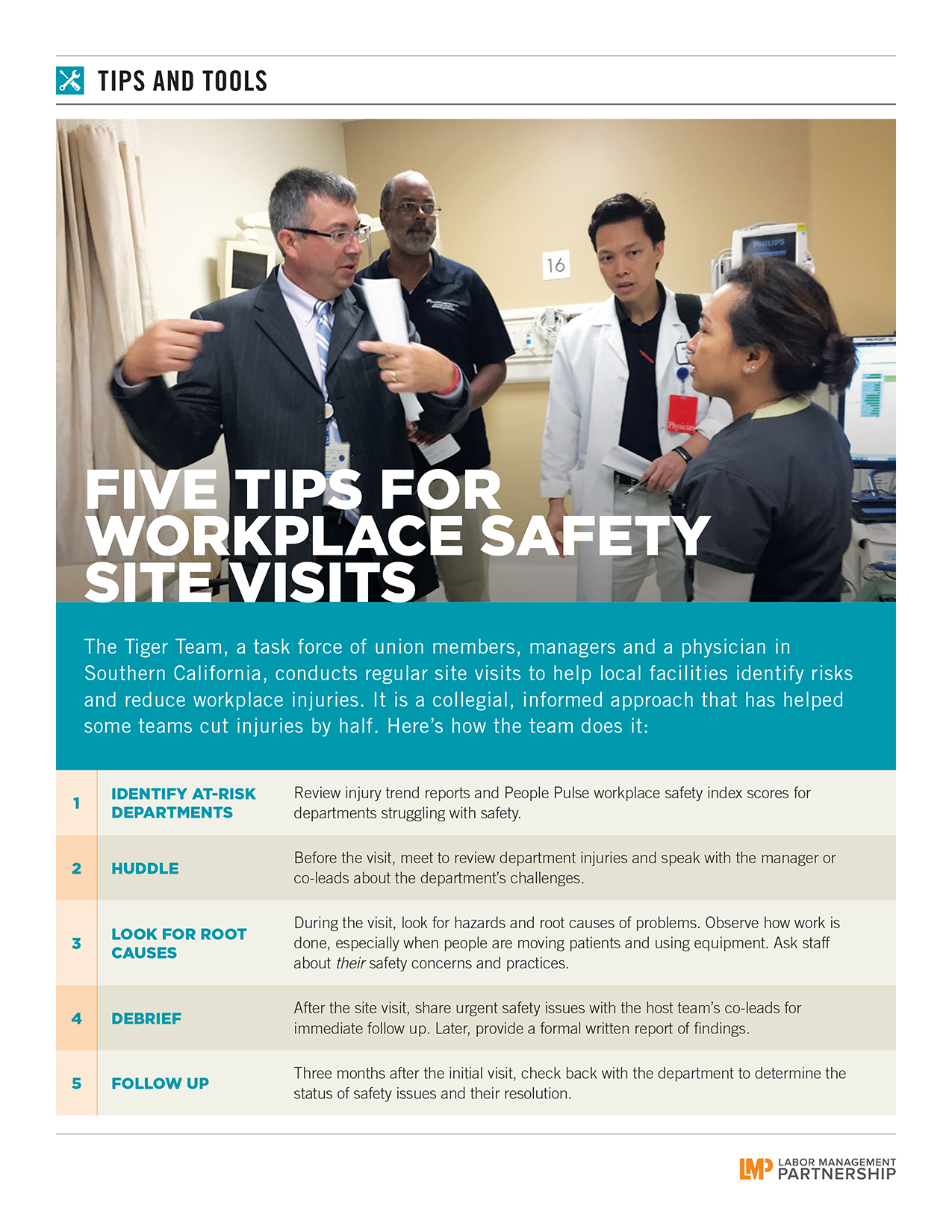
Five Tips for Conducting a Workplace Safety Site Visit
Format:
PDF
Size:
8.5" x 11"
Intended audience:
Workplace safety leaders and teams conducting site visits to identify and remedy safety risks
Best used:
Practical, how-to advice for helping teams plan an effective site visit and improve safety.
Phlebotomists Save Money Self-Monitoring Use of Butterfly Needles
- Reviewing the department's budget together
- Researching the costs and benefits of different types of needles
- Self-monitoring to reduce usage of butterfly needles
What can your team do to identify areas or products where savings can be found? What else could your team do to cut expenses?
TOOLS
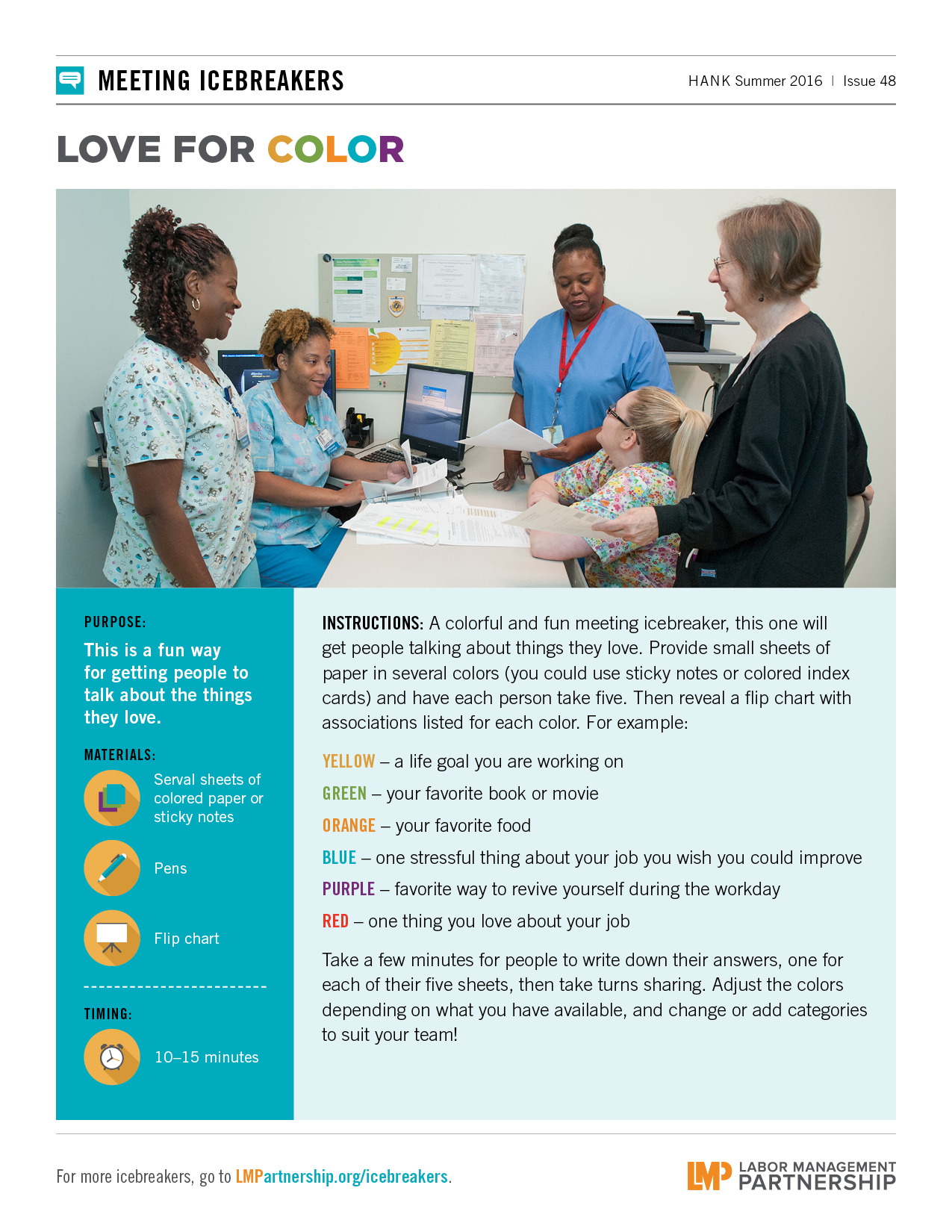
Icebreaker: Love for Color
Format:
PDF
Size:
8.5" x 11"
Intended audience:
Frontline employees, managers and physicians
Best used:
Use this meeting icebreaker as a fun way to get people talking about things they love. From the Summer 2016 Hank.
TOOLS
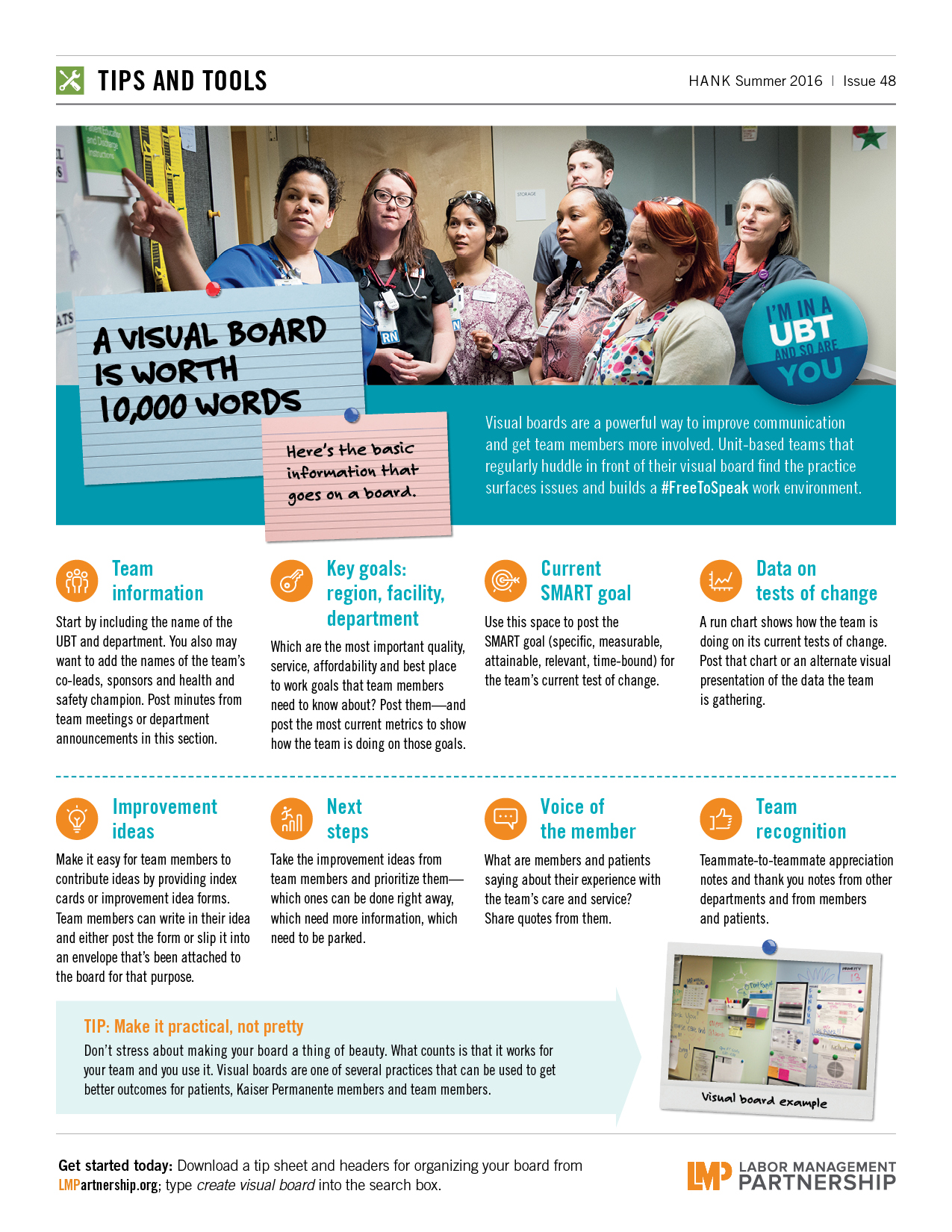
A Visual Board Is Worth 10,000 Words
Format:
PDF
Size:
8.5" x 11"
Intended audience:
Unit-based team consultants and team co-leads
Best used:
Create an effective visual board for your unit-based team. UBTs that regularly huddle in front of their visual board find the practice helps to surface issues.
You may also be interested in:
How to Create a Visual Board
TOOLS
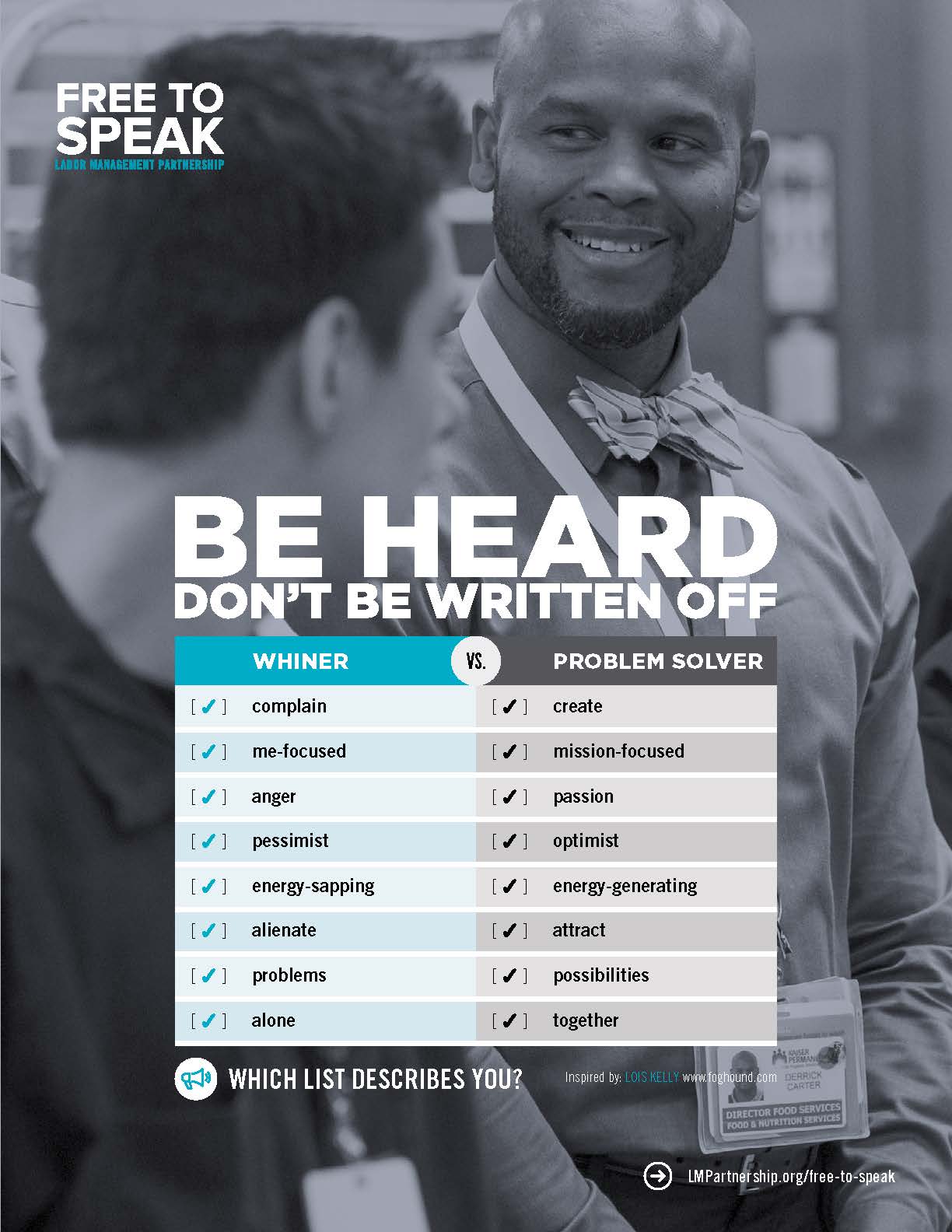
Poster: Be Heard, Don't Be Written Off
Format:
PDF
Size:
8.5" x 11"
Intended audience:
Frontline employees, managers and physicians
Best used:
How we come across is as important as what we have to say. This poster shows the difference between those who complain and accomplish little—and those who are heard and create real change.
Pages
