With a little inspiration from Goldilocks, Kaiser Permanente pharmacies strive to get their medication supplies just right.
They aim to avoid overstocking costly drugs that might go unused, while also ensuring they don't understock and leave KP members without necessary medications.
The goal to find the right inventory balance may sound as elusive as a fairy tale. However, a Southern California unit-based team project shows how KP pharmacies come close by maximizing supplies and reducing waste.
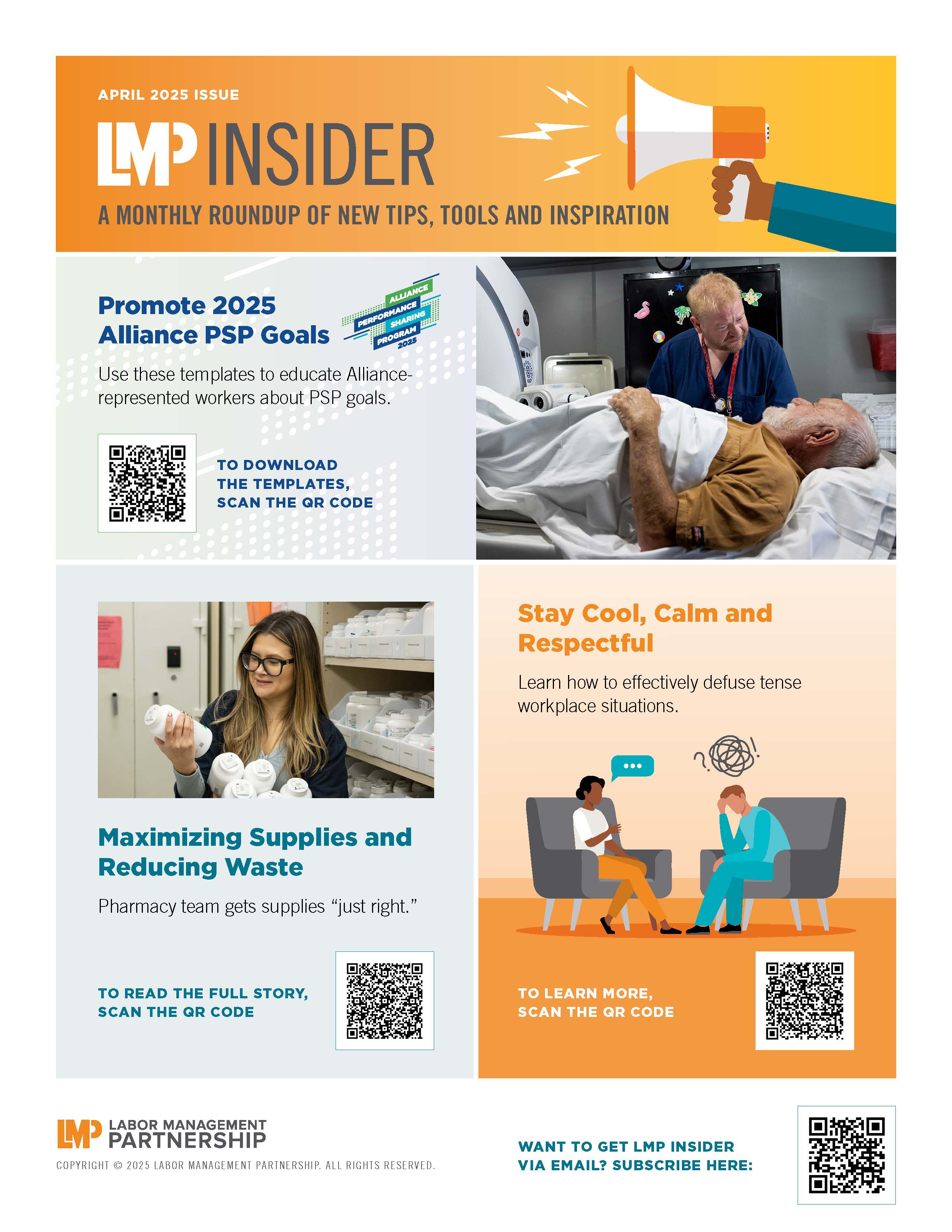
The 24-hour pharmacy at Kaiser Permanente Woodland Hills Medical Center in Southern California leads the project. The pharmacy fills prescription orders with unused supplies from KP pharmacies across the market. It also ships its unused supplies to KP pharmacies that need them.
The collaborative effort follows common practice across the organization, where pharmacies routinely track inventories to reduce waste. This ensures members receive the medications they need. It also saves Kaiser Permanente millions of dollars each year, contributing to our mission of delivering high-quality, affordable health care.
“Say we have a medication that costs $10,000,” says Nogie Demirjian, outpatient pharmacy operations manager at Woodland Hills. “When we aren’t using it but the pharmacy in West LA has a patient that needs it, we will ship it over there. This way they don’t have to spend money to buy it, and we won’t be sitting on it until it expires and has to be thrown away.”
Supplies reviewed weekly
Weekly inventory reports show how unused medicines at one KP pharmacy may be in demand at another.
The process begins every Monday. Veronica Hoover, an inventory control assistant and UFCW 770 member, reviews all medications in Woodland Hills that have not been dispensed in at least 120 days.
Hoover checks to see if Woodland Hills' excess supplies are needed at a KP pharmacy in Southern California. When there’s a match, she calls the second pharmacy and arranges to send the medicine there.
Hoover says she recently sent a bottle of chemotherapy drugs to another KP pharmacy. The medicine costs $20,000 per bottle.
“If we don’t use that, that’s a pretty big hit,” Hoover says.
Sensible practice, substantial savings
The effort is part of an affordability initiative led by Kaiser Permanente and the Alliance of Health Care Unions.
In 2023 and 2024, they saved nearly $230 million through affordability initiatives. Of this, $43.7 million came from Southern California unit-based team projects, including the Woodland Hills project.
Patty Rivas, a UFCW Local 770 member and pharmacy assistant in Woodland Hills, is impressed by her team's efficiency.
“Once we started adding up the numbers,” she says, “we were amazed to see how much we were saving.”