Frontline Managers

Help Video

How to Find UBT Basics on the LMP Website

Learn how to use the LMP website:

LMP Website Overview

Learn how to use the LMP website:

How to Find How-To Guides

This short animated video explains how to find and use our powerful how-to guides

Learn how to use the LMP website:

How to Find and Use Team-Tested Practices

Does your team want to improve service? Or clinical quality? If you don't know where to start, check out the team-tested practices on the LMP website. This short video shows you how. 

Learn how to use the LMP website:

How to Use the Search Function on the LMP Website

Having trouble using the search function? Check out this short video to help you search like a pro!

Learn how to use the LMP website:

How to Find the Tools on the LMP Website

Need to find a checklist, template or puzzle? Don't know where to start? Check out this short video to find the tools you need on the LMP website with just a few clicks. 

Learn how to use the LMP website:

TOOLS

Patient Care Cards

Format:
Zipped PDF

Size:
Printout, 2-sided, 4" x 6" index card

Intended Audience:
Unit-based teams

Best used:
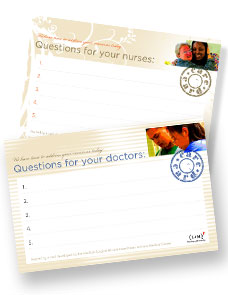
Download and print these two care cards to give to patients for their comments, allowing teams to address in-patient concerns. One care card is for patients to ask questions of their nurses and make comments on their nursing care. The other card is for patients to ask questions of their doctors and make comments on care from their doctors. This tool is inspired by a card developed by the Medical-Surgical 4B unit-based team at Irvine Medical Center.

Related tools:

UBT Tracker

UBT Tracker is a web-based tool to collect and report data about unit-based teams.

Each UBT creates a record to track its membership, assign key team roles and describe its projects and tests of change.

Unit-based team members can search the database to find out what other teams in similar departments are doing and learn about projects that address a particular performance measure.

Sponsors and leaders use the information from UBT Tracker to understand what teams are working on and how UBTs contribute to the organization’s goals.

Use of UBT Tracker is required. Teams are rated on their progress on the Path to Performance in part by the data they enter in Tracker. 


Is Email Harming Your UBT?

Deck: 
Tips on how to use email effectively and boost — not batter — your team

Story body part 1: 

Mandy Sly, a unit-based team consultant in Kern County (Southern California), was facilitating the launch of a unit-based team. The group suffered from low morale—a problem compounded by their habit of taking up difficult issues over email and liberal use of the “reply all” button.

“There was a lot of miscommunication,” says Sly, who is now a UBT coordinator in Southern California assigned to the Coalition of Kaiser Permanente Unions. “Email is there to improve communication, but if it is not used properly, it can do a lot of damage to individuals, teams and organizations.”

Why does it matter?

Communicating by email is the norm for managers and many other workers at Kaiser Permanente—a great innovation, but fraught with potential pitfalls. And with the advent of unit-based teams, managers are likely to be carrying on email conversations with more people at more levels of the organization: labor co-leads, sponsors, facilitators and employees. That means email etiquette is more important than ever if the open, respectful communication that is part of the foundation of the Labor Management Partnership is going to help improve performance.

What’s the problem?

Stripped of tone of voice, body language and facial expression, email communication means those receiving the message don’t have some key (unwritten) information on which to base their interpretation of the content. In fact, people only correctly ascertain the intended tone of an email only half the time, according to research published in the Journal of Personality and Social Psychology in 2006. Worse, they have no clue they are getting it wrong. They think they’ve correctly interpreted tone 90 percent of the time.

“Email is not very good at conveying tone and nuance,” writes Alan Murray in The Wall Street Journal Guide to Management, to be published in October 2010. “That seems to be doubly true when the sender is a manager and the receiver is a subordinate. Suggestions made in jest can too easily be mistaken for serious commands; observations made with irony can too often be received as literal.”

 

TOOLS

Integrating Workplace Safety Into UBTs

Format:
PPT

Size:
11 slides

Audience:
UBT co-leads, unit-based teams, Workplace Safety consultants and unit-based team consultants

Best used:
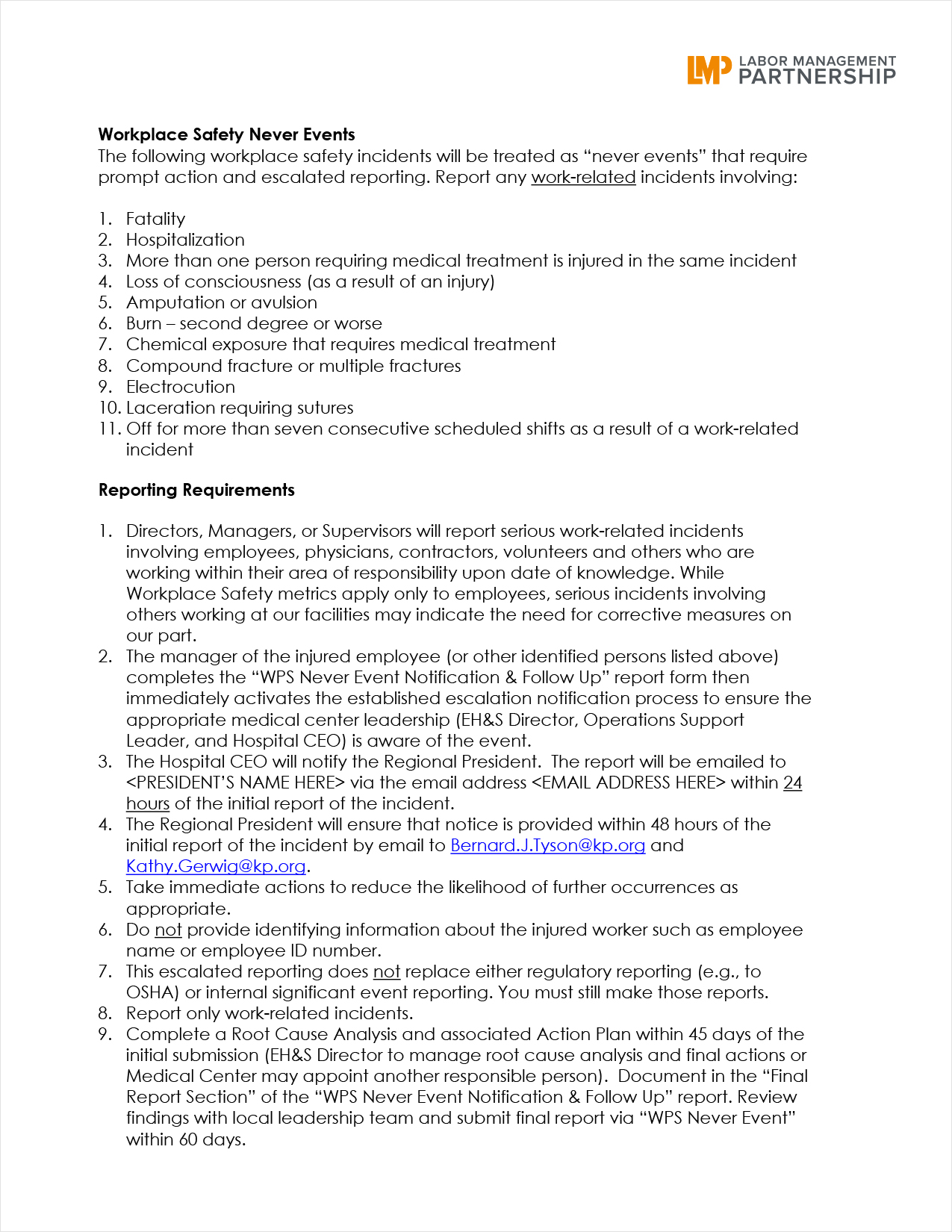
This presentation includes tools on how to integrate workplace safety into the work of unit-based teams. Show the presentation or share the content in meetings and huddles. The following tools and templates are provided:

  • Workplace Safety Checklist
  • UBT/WPS Presentations
  • Path of an Injury
  • WPS Action Plan Template
  • Risk Map
  • Risk Matrix

You also will find guidelines for developing a successful workplace safety plan, plan monitoring and suggestions for ongoing oversight.

Related tools:

Pages

Subscribe to RSS - Frontline Managers