Frontline Managers

Help Video

How to Find UBT Basics on the LMP Website

Learn how to use the LMP website:

LMP Website Overview

Learn how to use the LMP website:

How to Find How-To Guides

This short animated video explains how to find and use our powerful how-to guides

Learn how to use the LMP website:

How to Find and Use Team-Tested Practices

Does your team want to improve service? Or clinical quality? If you don't know where to start, check out the team-tested practices on the LMP website. This short video shows you how. 

Learn how to use the LMP website:

How to Use the Search Function on the LMP Website

Having trouble using the search function? Check out this short video to help you search like a pro!

Learn how to use the LMP website:

How to Find the Tools on the LMP Website

Need to find a checklist, template or puzzle? Don't know where to start? Check out this short video to find the tools you need on the LMP website with just a few clicks. 

Learn how to use the LMP website:

TOOLS

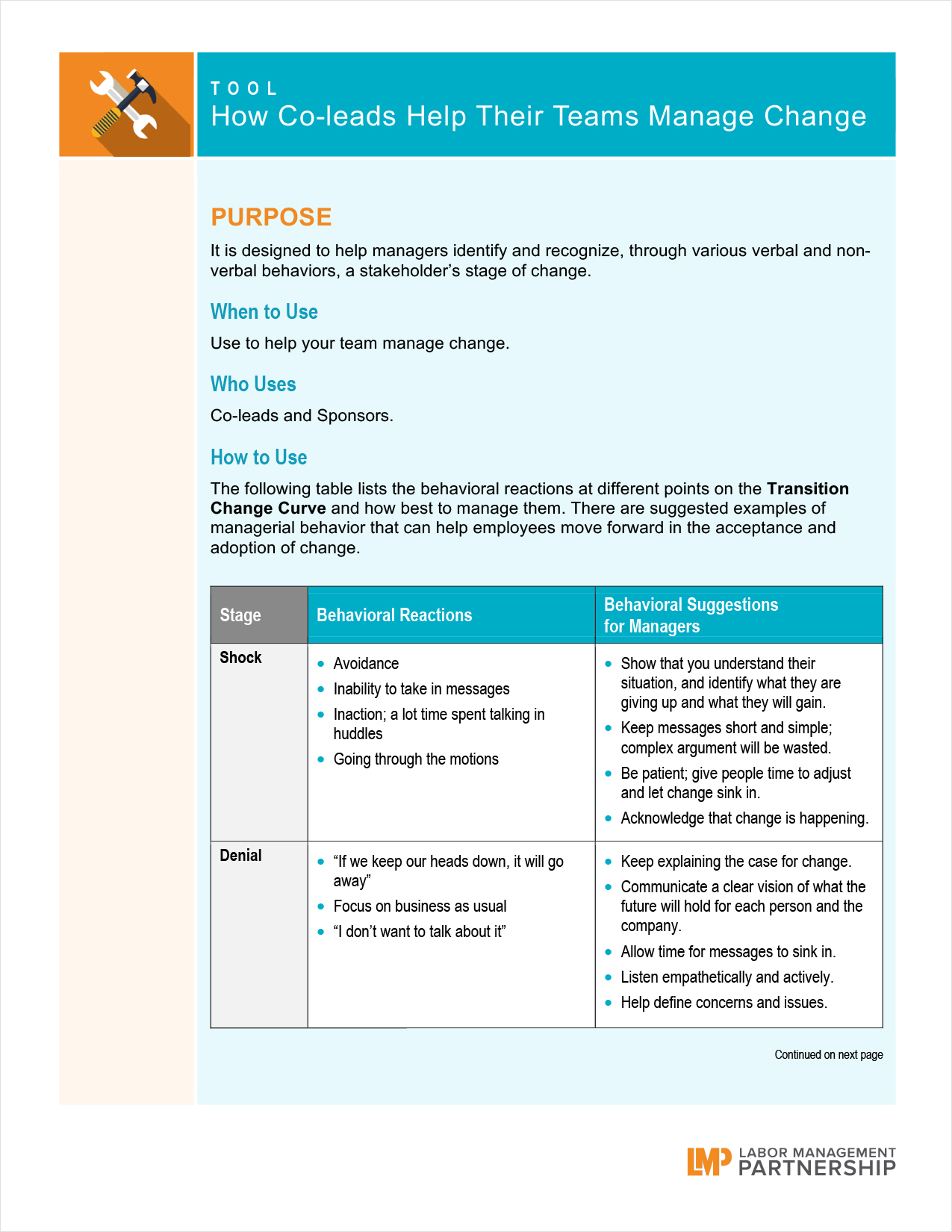
How Co-leads Help Their Teams Manage Change

Format:
PDF (color or black and white)

Size:
8.5" x 11"

Intended audience:
UBT co-leads and sponsors

Best used:
Help your team manage change by understanding verbal and non-verbal cues that let you identify a stakeholder's readiness for change. 

Related tools:

LMP Wins Praise From Harvard Business Review

Deck: 
Article highlights Irvine Medical Center's successful efforts to reduce surgery turnaround times

Story body part 1: 

The July/August 2011 issue of the Harvard Business Review highlights Kaiser Permanente’s as a model collaborative community that fosters innovation, agility and efficiency. In the issue’s lead article, "Building a Collaborative Enterprise," the authors make the case that KP is among the leading organizations that are reaping rewards from operating as collective communities that "encourage people to continually apply their unique talents to group projects — and to become motivated by a collective mission."

The authors of "Building a Collaborative Enterprise" identify four organizational efforts that are keys to developing a collaborative community:

  • Defining and building a shared purpose
  • Cultivating an ethic of contribution
  • Developing processes that enable people to work together in flexible but disciplined projects
  • Creating an infrastructure in which collaboration is valued and rewarded

A shared purose

The authors use the KP Value Compass to illustrate their point about the importance of defining and building a shared purpose. The Value Compass features the patient/member at the center of the compass with four surrounding points: best quality, best service, most affordable and best place to work. It is included in the 2010 national agreement between KP and the 29 local unions that make up the Coalition of Kaiser Permanente Unions and informs work at every level of the organization. As the authors explain, the Value Compass "guides efforts at all levels of Kaiser: from top management’s business strategy, to joint planning by the company's unique labor-management partnership, right down to unit based teams' work on process improvement.

"We must recognize that old ways of doing things will not work in the new world of health care or business in general," says John August, executive director of the Coalition of Kaiser Permanente Unions. "At the KP Labor Management Partnership, we have devoted ourselves to transform our relationships throughout the organization, to collaborate and to learn in the interest of service to our patients, members and our communities. We are on the right path, and it’s fantastic that the Harvard Business Review has recognized our success."

Improving quality, reducing costs

The article also recognizes the accomplishments of a team at KP’s Irvine Medical Center that applied a collaborative approach — dubbed the Total Joint Dance — to reduce the turnaround time between total joint replacement surgeries. By involving nurses, surgeons, technicians and other employees in coming up with solutions, the team was able to devise changes that reduced the average turnaround time between procedures from 45 to 20 minutes, freeing up 188 hours of operating-room time a year at an average annual savings of $132,000 per OR.

The practices have since been adopted by general surgery, along with head and neck, urology, vascular and other specialties at Irvine, the article notes, and the approach has spread to other KP hospitals.

Collaboration as strategy

"This is a great example of how we’ve been able to use a collaborative approach to harness the knowledge of frontline employees, and then spread the effective practices that we develop with that knowledge," says Barb Grimm, senior vice president of the Office of Labor Management Partnership.

The authors conclude that the organizations that will become the household names of the future will be those with a strong collaborative culture. "Few would argue that today’s market imperative — to innovate fast enough to keep up with the competition and with customer needs while simultaneously improving cost and efficiency — can be met without the active engagement of employees in different functions and at multiple levels of responsibility. To undertake that endeavor, businesses need a lot more than minimal cooperation and mere compliance. They need everyone’s ideas on how to do things better and more cheaply. They need true collaboration."

This story was originally published on InsideKP

 

TOOLS

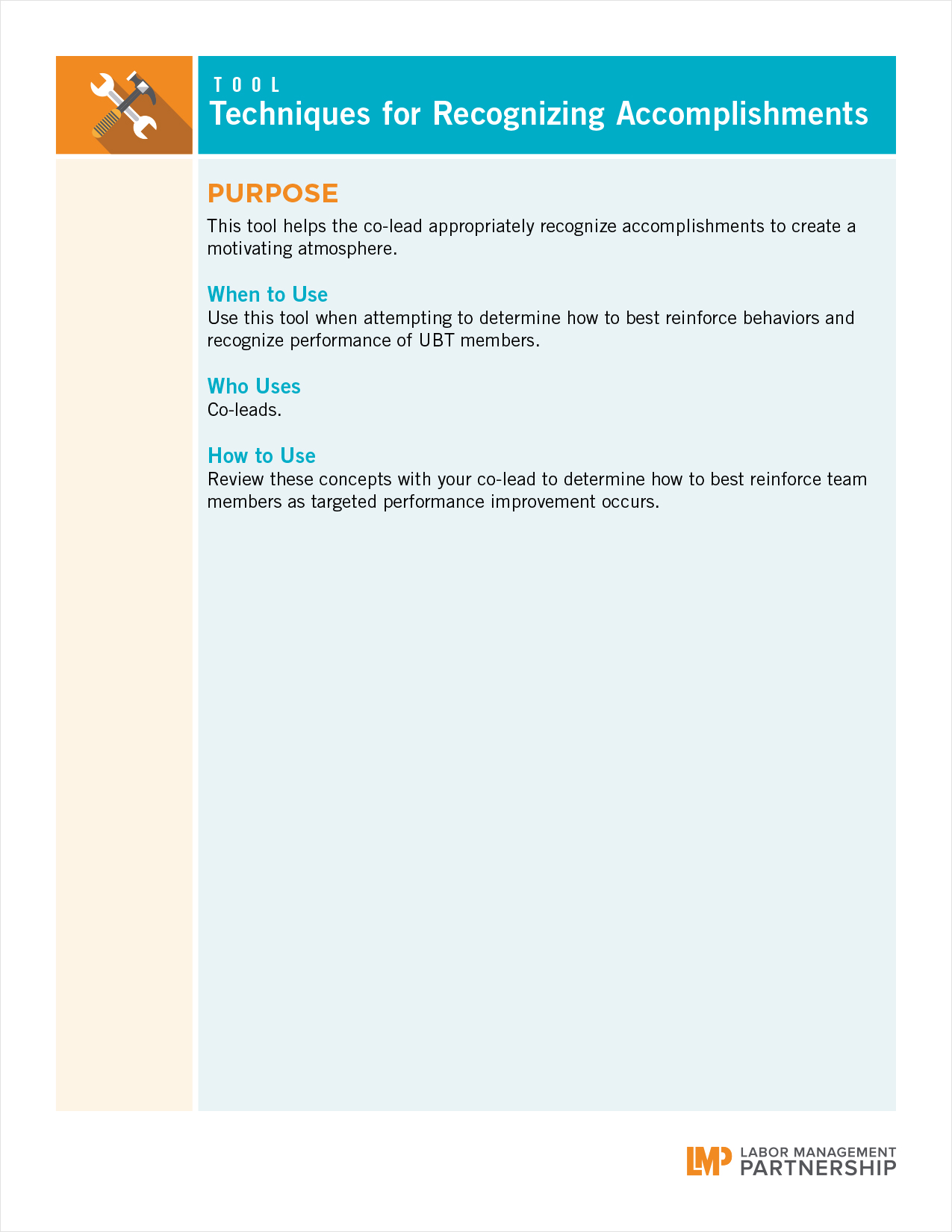
Techniques for Recognizing Accomplishments

Format:
PDF (color and black and white)

Size:
8.5" x 11"

Intended audience:
Unit-based team co-leads

Best used:
Use this tool to help determine how to best reinforce behaviors and appropriately recognize performance of UBT members to create a motivating atmosphere.


Related tools:

TOOLS

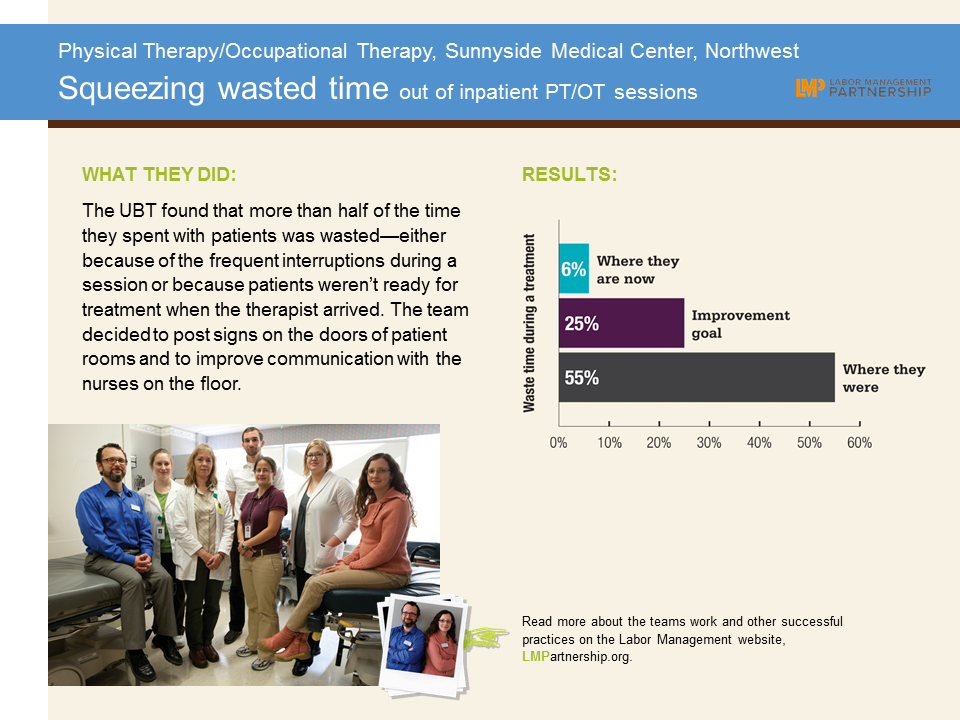
Slide: Squeezing Out Wasted Time

Format:
PowerPoint slide

Size:
8.5" x 11"

Intended audience:
Frontline teams, UBT-co-leads, UBT sponsors, mid-level managers

Best used:
This one-page slide shows how PT/OT team improved work processes to spend more time with patients. Include in meetings or presentations as one example of UBT performance improvement in Northwest region.


Related tools:

TOOLS

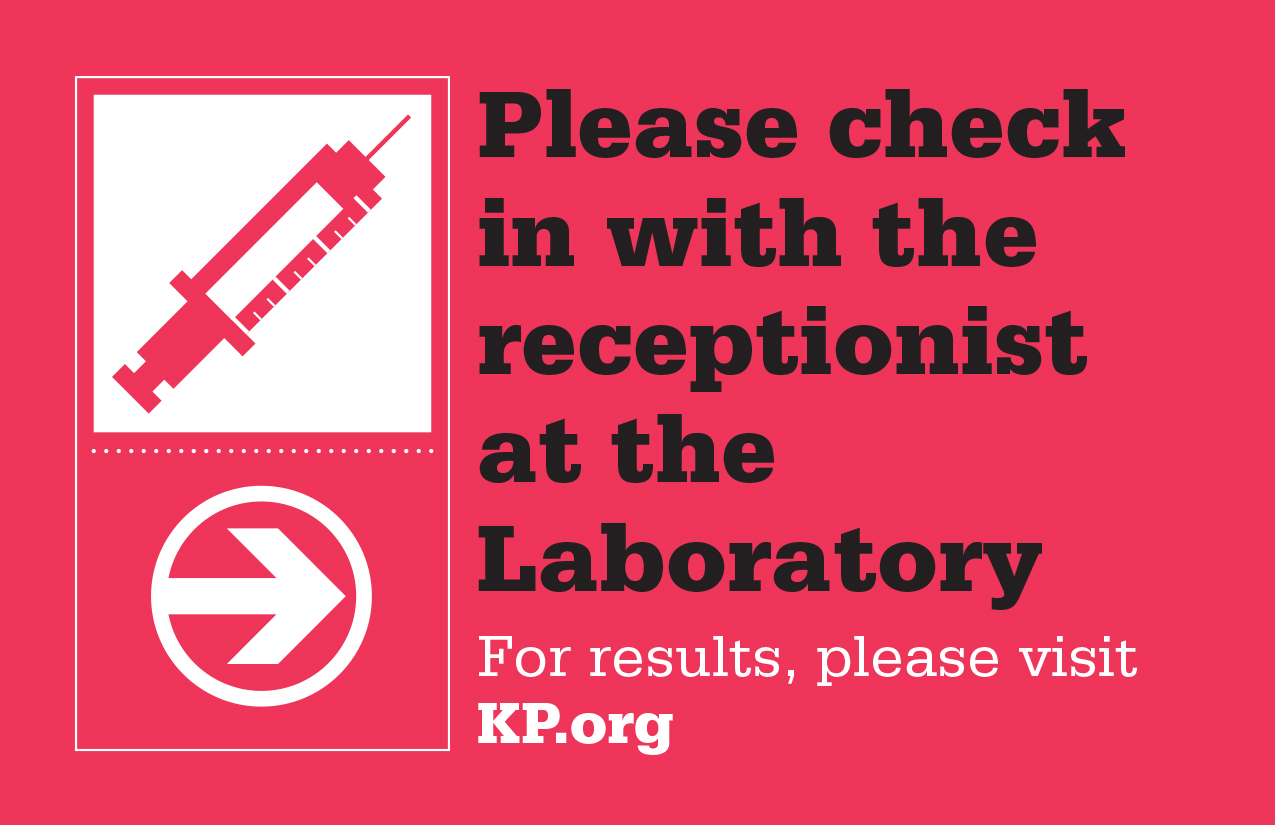
Check-in Card: Laboratory

Format:
PDF

Size:
4.25" x 5.5" (two copies print out on each 8.5" x 11" sheet)

Intended audience: 
Frontline staff and management

Best used: 
For members to remind laboratory patients to check in with the receptionist. Can be printed in black-and-white or color, and laminated. Available in English and Spanish.

Links to more check-in cards

Related tools:

TOOLS

Check-in Card: Pharmacy

Format:
PDF

Size:
4.25" x 5.5" (two copies print out on each 8.5" x 11" sheet)

Intended audience: 
Frontline employees and managers

Best used: Print in black-and-white or color, then laminate and distribute to members as needed to remind them to check in with the clerk at the pharmacy. Available in English and Spanish.

Check out our additional reminder cards

Related tools:

TOOLS

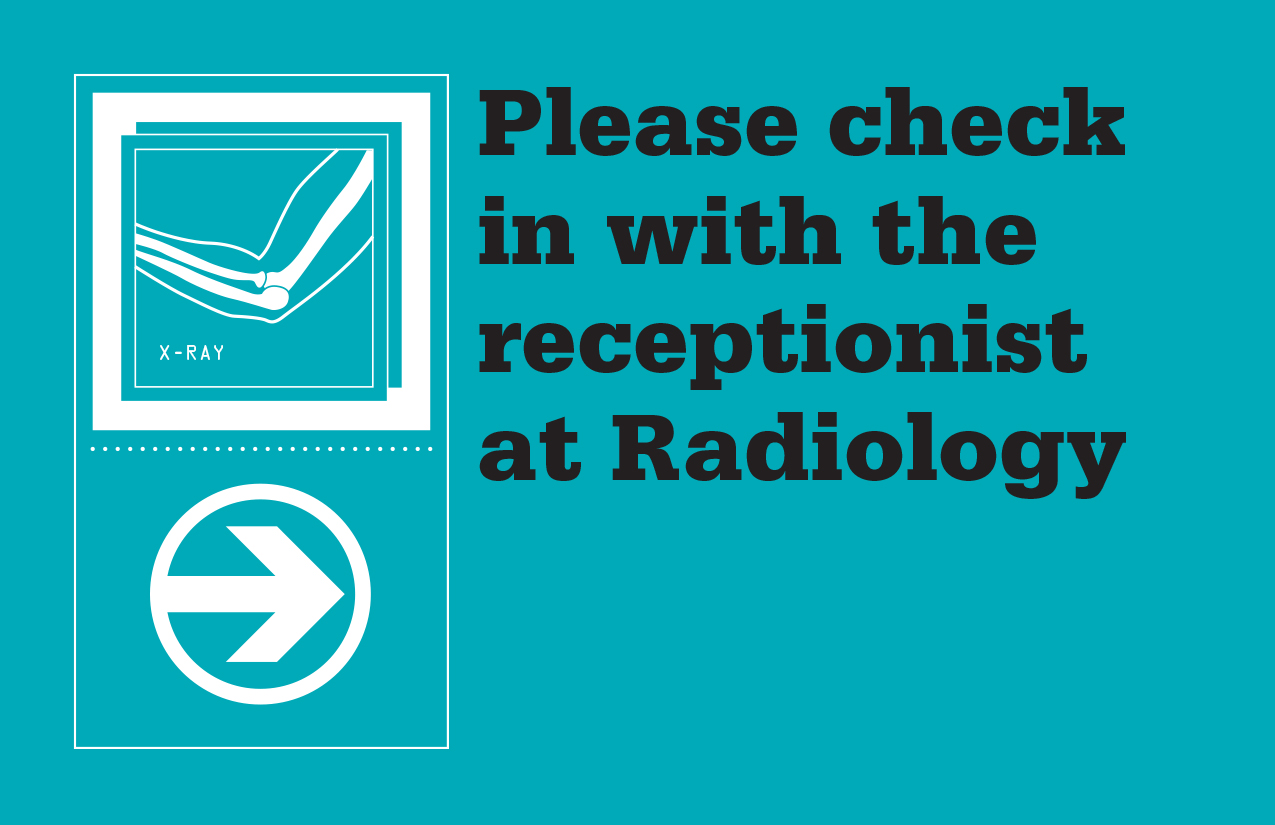
Check-in Card: Radiology

Format:
PDF

Size:
4.25" x 5.5" (two copies print out on each 8.5" x 11" sheet)

Intended audience: 
Frontline staff and management

Best used: 
Print in black-and-white or color, then laminate and distribute to members heading for the Radiology department to remind them to check in with the receptionist. Available in English and Spanish.

Go to page with other cards for other departments

Related tools:

TOOLS

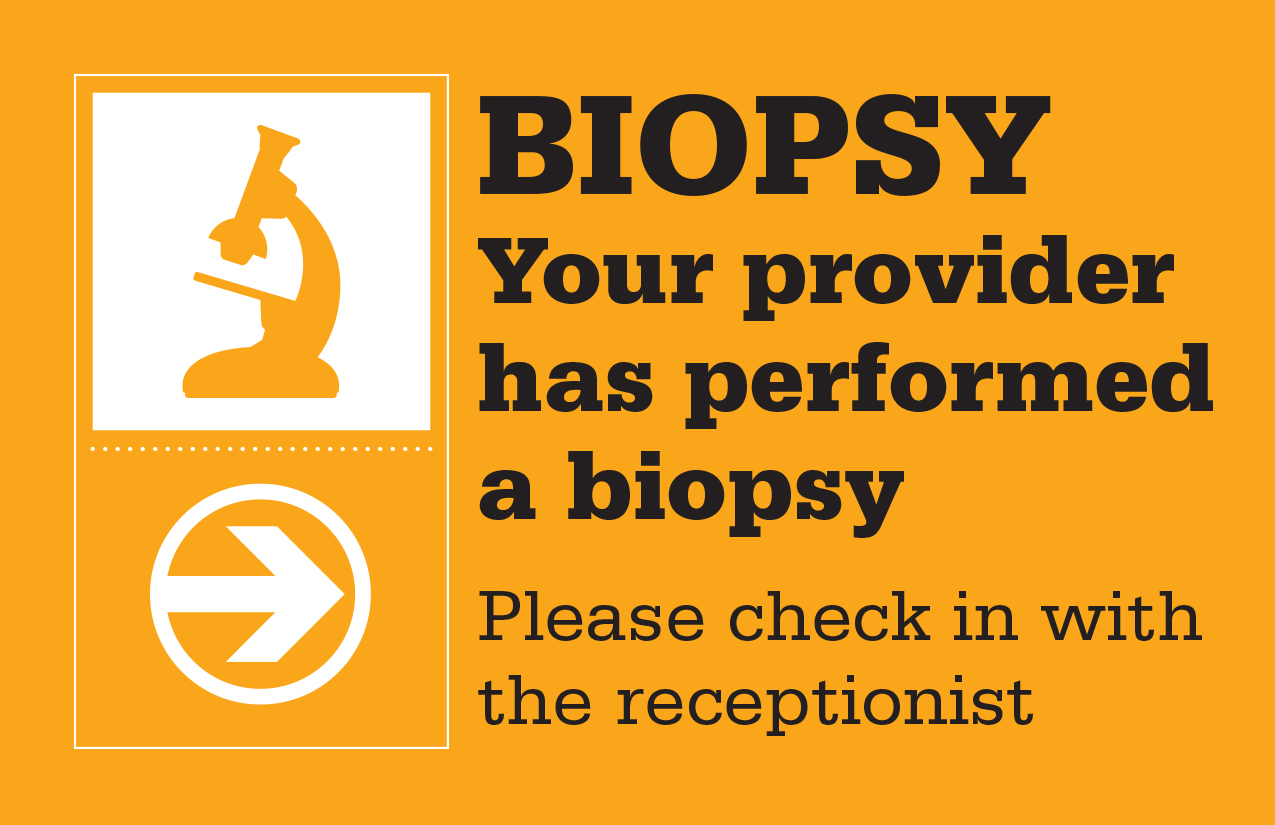
Check-in Card: Biopsy

Format:
PDF

Size:
4.25" x 5.5" (two copies print out on each 8.5" x 11" sheet)

Intended audience: 
Frontline staff and management

Best used: 
Print in black-and-white or color, then laminate and distribute this visual reminder to members who have had an in-office biopsy as needed. Available in English and Spanish.

To page with other cards

Related tools:

TOOLS

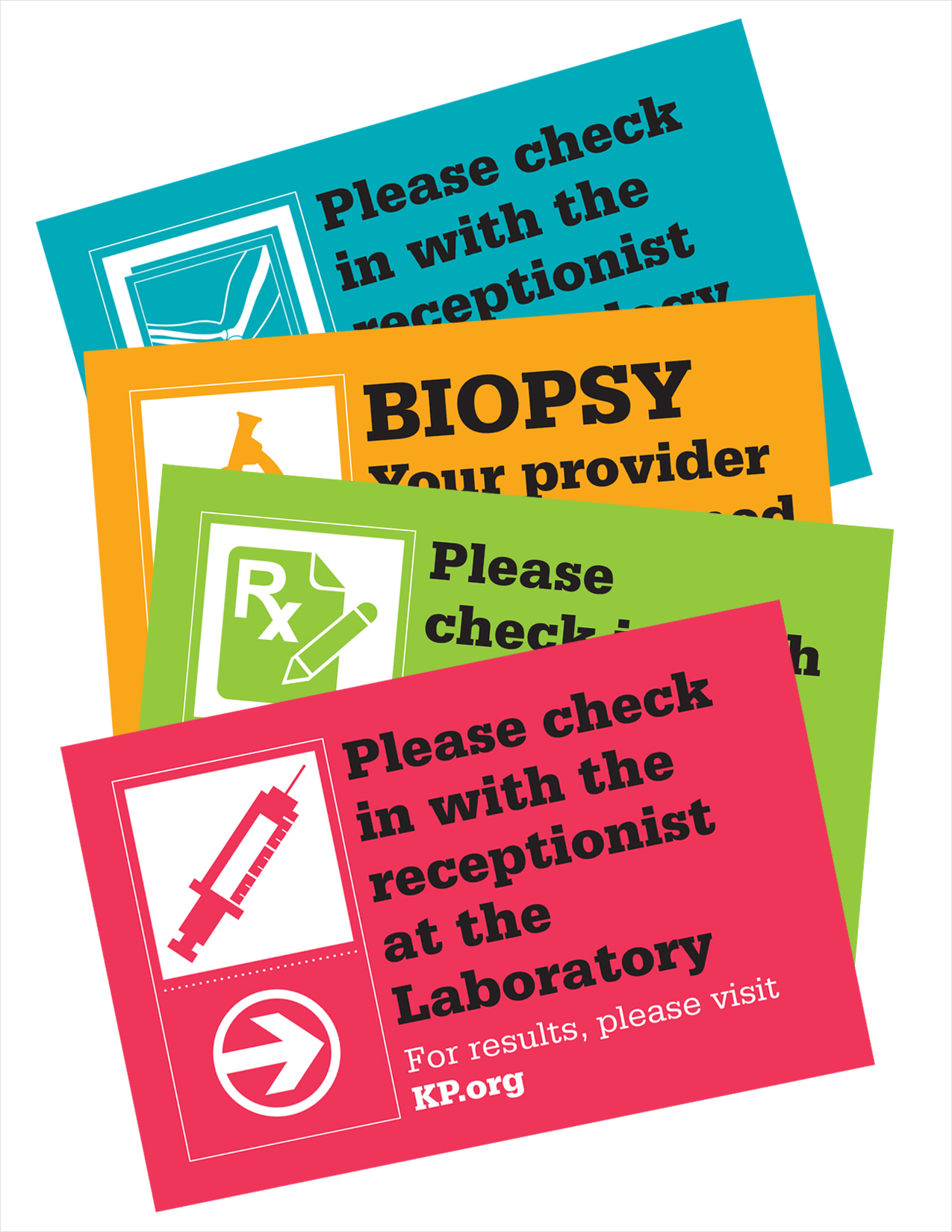
Member Check-in Cards

Format:
PDF

Size:
4.25” x 5.5" (two copies print out on each 8.5" x 11" sheet)

Intended audience:
Frontline staff and managers

Best used:
Print these cards reminding members to check in at the pharmacy, lab and other departments, laminate them and distribute as necessary. Available in English and Spanish.

Pharmacy card

Radiology card

Laboratory card

Biopsy card

Related tools:

Pages

Subscribe to RSS - Frontline Managers